Data Vs. Insights

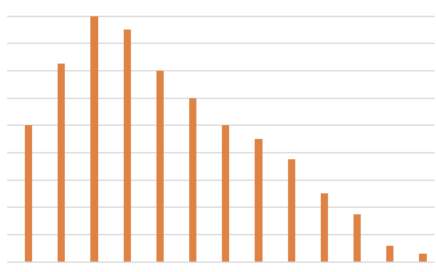
In today’s data-driven world, we often hear terms like data and insights used interchangeably. However, there is a fundamental difference between these two concepts. In simple terms, data refers to raw facts and figures, while insights are meaningful interpretations and conclusions derived from data. I recently came across this article […]

OPEN FULL POST

Cognitive and data biases – the selection bias

When analyzing a dataset sometimes we are working with data that does not represent the reality but it’s the result of a seleciton. This means that the seleciton made before the analysis is already creating a data bias. For example if we work with panel data we must make sure […]

OPEN FULL POST

Occam’s razor principle

In one of my previus posts about cognitive biases I mentioned the Occam’s razor principle. When it comes to data insights this is sometimes a very useful principle to keep in mind because data does’nt give insights itself but we are always asked to give our interpretation to the data, […]

OPEN FULL POST

Cognitive and data biases: the Confiramtion Bias

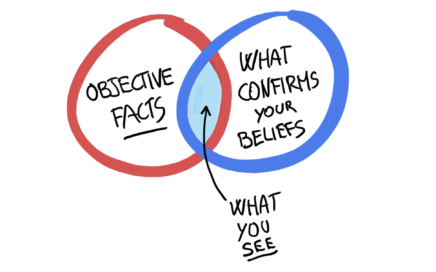
“if you torture the data long enough, it will confess to anything”. Ronald H. Coase, British Economist When working with a big dataset it’s easy to fall into the confirmation bias. We are looking for some insights, and usually what happens is that even before looking at the data we […]

OPEN FULL POST

Cognitive Bias – Survivorship Bias – Part 2

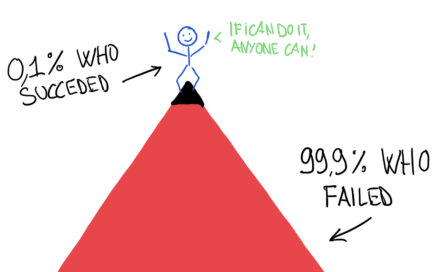
In Turin there is an ancient church named Santuario della Consolata (its full name is “Chiesa di Santa Maria della Consolazione”), it’s origin dates back to the XVII century. The interior is very rich, with gold inlays everywhere on the walls and arches, and wonderful frescoes surrounded by pink carrara […]

OPEN FULL POST

The Causality Bias – The black cars crashes

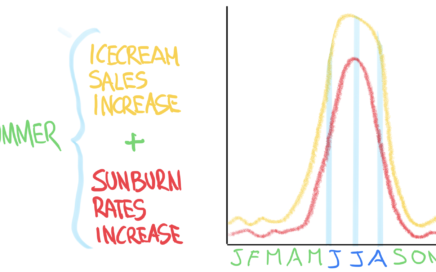
So after reading the Bananas Diet post we are now familiar with the causality bias concept. Another example of causailty bias i came across a few years ago for the first time is the black car crashes one. Articles like this one show that based on data anyone can conduct […]

OPEN FULL POST